Exploring the Latest Trends in Project Management in India


Introduction to Project Management Trends
Project management in India is evolving at a rapid pace, influenced by technological advancements, changing work environments, and the need for agility. As businesses strive to improve efficiency and outcomes, understanding the latest trends in project management is essential for staying competitive. This blog explores some of the most significant trends shaping the industry in India today.
Emphasis on Agile Methodologies
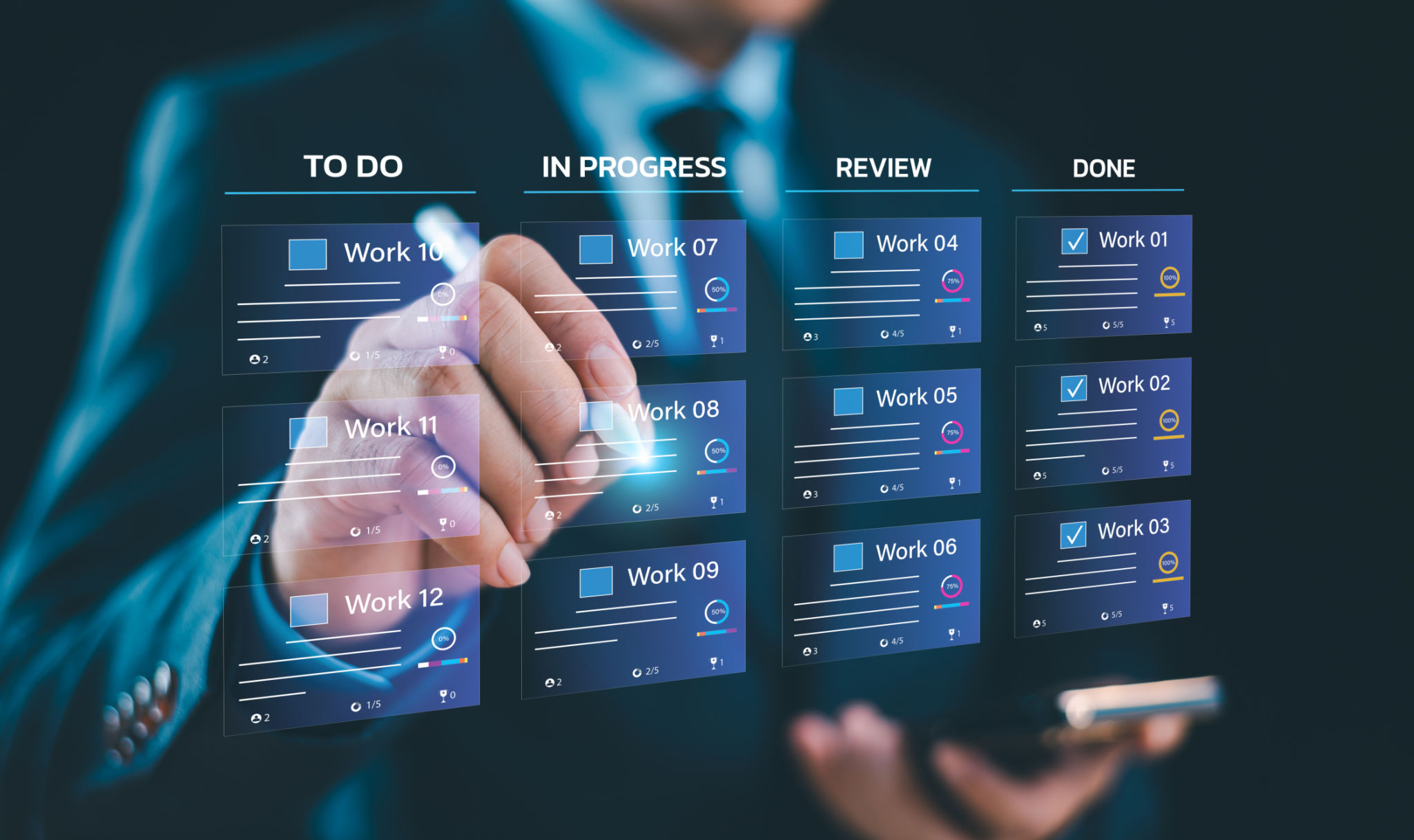
One of the most prominent trends in project management is the widespread adoption of agile methodologies. Agile approaches, such as Scrum and Kanban, emphasize flexibility, collaboration, and customer feedback. These methodologies allow teams to adapt quickly to changes and deliver value more efficiently. In India, many companies are integrating agile practices to enhance project delivery and meet dynamic market demands.
Agile frameworks are particularly beneficial in industries like software development, where requirements can change rapidly. By focusing on iterative progress and continuous improvement, agile methodologies help teams manage uncertainty and deliver high-quality outcomes.
Integration of Advanced Technologies
Technological advancements are reshaping project management practices in India. The integration of artificial intelligence (AI), machine learning, and data analytics into project management processes is becoming more prevalent. These technologies enable project managers to make data-driven decisions, automate routine tasks, and predict project risks more accurately.

Moreover, cloud-based project management tools are gaining popularity, allowing teams to collaborate seamlessly across different locations. These tools provide real-time updates, enhance communication, and improve overall project visibility.
Focus on Remote and Hybrid Work Models
The COVID-19 pandemic has accelerated the shift towards remote and hybrid work models. This change has significant implications for project management in India. Organizations are now prioritizing digital communication tools and platforms that facilitate remote collaboration. Managing virtual teams requires new strategies to ensure productivity, accountability, and team cohesion.
- Use of collaboration platforms like Microsoft Teams and Slack
- Regular virtual meetings to maintain team engagement
- Flexible work hours to accommodate diverse time zones
Sustainability and Social Responsibility
Another emerging trend is the focus on sustainability and social responsibility in project management. Companies in India are increasingly considering the environmental and social impacts of their projects. This involves integrating sustainable practices into project planning and execution, such as reducing carbon footprints, using eco-friendly materials, and supporting community development initiatives.

Project managers play a crucial role in aligning projects with organizational values and ensuring that sustainability goals are met. By doing so, they contribute to the long-term success and reputation of their organizations.
Conclusion
The landscape of project management in India is continuously evolving, driven by technological advancements, changing work environments, and a growing emphasis on sustainability. As businesses navigate these changes, staying informed about the latest trends can provide a competitive edge. Embracing agile methodologies, leveraging advanced technologies, adapting to remote work models, and prioritizing sustainability are key strategies for success in today's dynamic project management landscape.